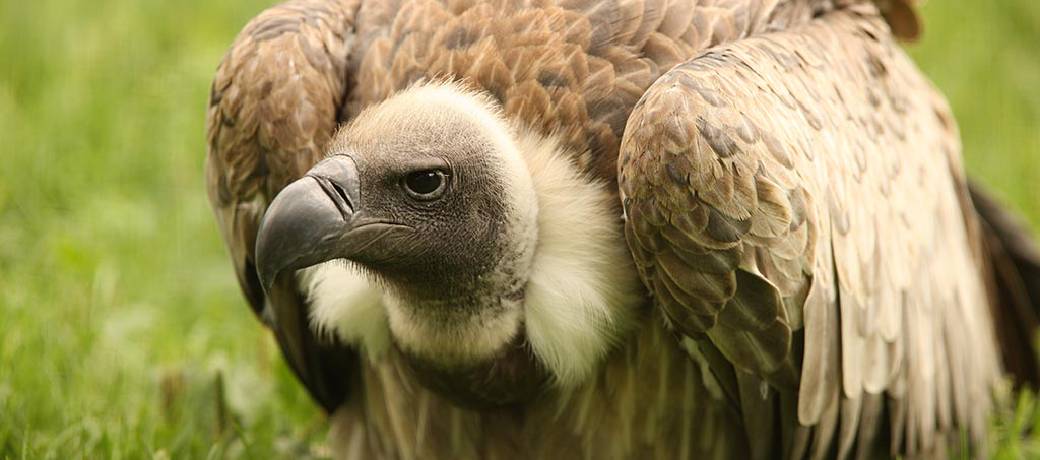
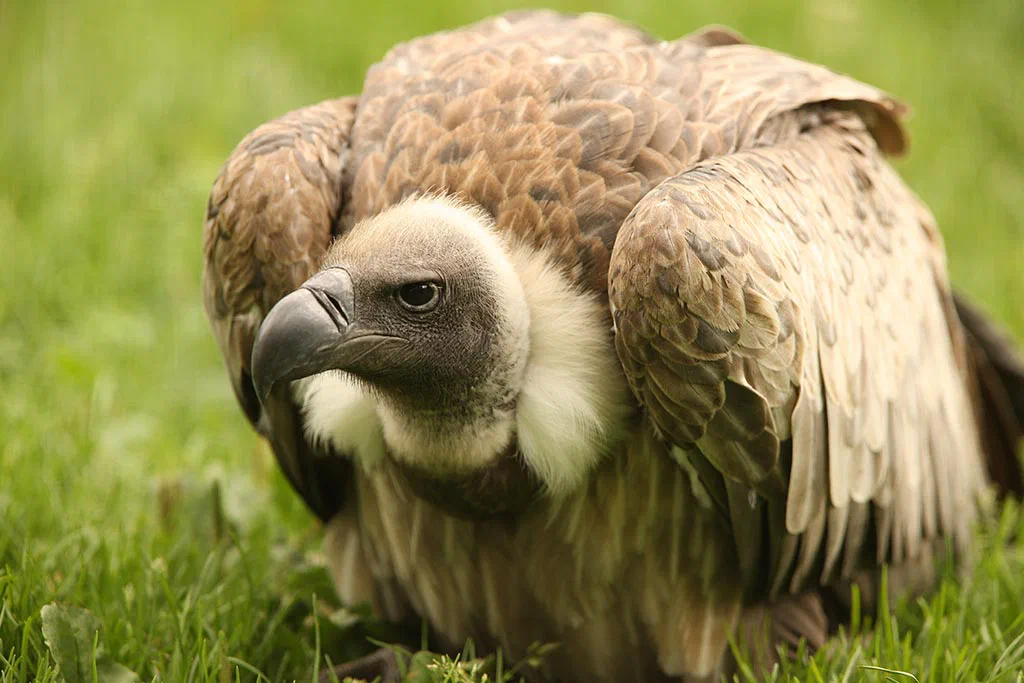
What’s all this hullabaloo about ‘making connections’? You must wonder why Gobar Times harps on ‘making connections’. Another favourite mantra is – ‘be informed’. Such boring stuff, isn’t it? No tree-plantings, painting competitions, ‘queez’. No ‘Save the cuddly leopards’. Instead, we’re asking you to spare a thought for the bald, wrinkled, smelly vulture.
The vultures of Keoladeo National Park in Bharatpur, till recently, numbered 2000. Now there are just four. Did I hear someone mutter, “Good riddance”? Good riddance it may seem, but chances of people following the vultures are pretty high. What can happen to vultures can happen to us.
At first, everyone blamed pesticides for the vultures’ deaths. But the real killer turned out to be something else — a medicine called diclofenac. Farmers gave it to sick cows to ease their pain. When such a cow died, the vultures that ate it fell ill, their kidneys stopped working, and they died in just a few days. And since a whole crowd of vultures feeds on one dead animal, the medicine wiped out almost all of India’s vultures in only a few years. (India stopped farmers from using it on cattle in 2006.)
Still, the food chain does hold the key to many other poisons. A pesticide can climb it step by step — from grain, to cattle-feed, to the birds and fish that eat them, a little higher each time. Until it reaches us. After all, we eat meat too. Vegetarians needn’t rejoice.
A government survey studied 108 samples of cereals, pulses, eggs, milk, meat and vegetables out of which 104 were found to contain pesticides, and 69 samples had pesticide levels above the allowable limit.
Vultures also clean up a carcass in two hours flat. No smell, just sparkling dry bones remain. Without the vultures, your next trip to a wildlife sanctuary will be highlighted by SMELL!!
Aldrin, DDT, dieldrin, chlordane – these fancy-named killers – have over the years led to the decline of the Californian condor, the American bald eagle, the grey partridge and the song thrush in England, and the South African blue crane. Realising how deadly they are, the U.S. and several European countries have banned the use of these pesticides, but countries like ours haven’t their lesson.
What happens when pesticides like these are eaten by birds (if they don’t die first) is really weird. They lay deformed eggs with thin egg shells, and many of the young birds die really soon. Sometimes, because these chemicals jigger up the parents’ endocrine systems, the male baby birds become very feminine.
So will this affect humans? Naturally, it will. Scientists in Canada, Sweden and the U.S. have found a very strong link between the use of pesticides and a certain type of cancer called Non Hodgkin’s Lymphomas.
And wouldn’t you think that, babies at least would be safe from the clutch of these chemicals? Well, they’ve found pesticides in mother’s milk! Besides, 20 different brands of baby milk powder sold in the market were tested, and 90% of them showed that infants fed on them would absorb 90% more of the toxic chemical beta-HCH than was acceptable.
So next time, someone you know starts shaving instead of putting on lipstick, don’t say we didn’t warn you!
[ Courtesy: Gobar Times, a children’s newspaper produced by the Delhi-based Centre for Science and Environment. It aims to create environmental awareness among children by dealing with issues in a language that is simple, quirky and fun, along with innovative visuals.]
Editor’s note (July 2026): This article is from around the year 2000. Back then, people blamed pesticides for India’s vultures dying. Scientists later found the real cause was a cattle painkiller called diclofenac — vultures that fed on treated cows died of kidney trouble, and India banned the drug for cattle in 2006. We have updated the opening to match. The rest of the article, about how pesticides like DDT harm other birds, is still true.
Word treasure
- Gobar
- — a type of cow dung used as fuel
- Hullabaloo
- — a loud noisy commotion about something
- Endocrine
- — related to the glands in our body that control growth